Thursday, January 27, 2022

Wellbeing and Positive Psychology PLD - 27th January 2022

 Wellbeing and Positive Psychology

by Positive Psychology/Education -Paul Tupou-Vea (Clifftop Wellbeing)

Key Kupu 

Key Kupu - Start with sharing with the team what went well; (Over the hols)

What is Psychology? Post-war, mental illness getting from left to right. How can people flourish?

Once you are flourishing, how can you sustain that?  Intrinsic words of motivation, Happiness, Self Efficacy, Optimism, Satisfaction, Creativity, Forgiveness, engagement. 

Psychological Science is how Humans can flourish and wellbeing - Positive Psychology. 

Wellbeing - connecting with nature, Social, Physical, Mental, acceptance of changes, Self-care and caring for others. 

Flouring Through PERMA - Positive Emotions | Engagement | Relationships | Meaning | Accomplishment

Feeling good and functioning well.

Flourishing Schools

  • Walls 
  • Playground
  • Assembly
  • Classrooms

Positive Psychology Essentials

  • We react more strongly to bad news than good news 
  • We have a negative bias
  • Intentionally increasing the prevalence of positive emotions can improve wellbeing.
  • Can respond to negative emotions and build resources
  • If you have positive emotions, you are more creative
  • If you are more negative, then you will be more critical
  • Positive emotions we do better with connecting with others
  • Increase cortisol and endorphins 
  • Positive emotions impact our relationships 
  • Positive emotions have more connections

Getting Granular

  • Emotional literacy helps to name our emotions more accurately
  • Increases resilience and supports relationships


Emotional Regulation

  • Laughter 
  • Keeping the cork on the bottle, suppress it (Avoid feeling bad; don't want to deal with it). This builds the emotion and makes it stronger.
  • Awareness and relating to that emotion more healthily - what is the stress telling me about this thing, and what shall I do about that. This is a motivator to take some action.

The ABC Model

  • ABC - A = Activating - B = Belief C += Consequence
  • A = Activating (Going into RED lockdown)
  • B = What do we belief 
  • C = Stressed, concerned 
In this model, we can re-thing the B. Here is what I can control and re-appraise it. The consequence of how we embody that changes the outcome. 

Flow Theory 

  • Educational theories about learning and how we can use this in the classroom learning
  • Everything falls into place - The challenge of the task you are doing matches the skill level you will flow.
  • If you can make the task higher and more challenging 
  • To meet the flow - get students tasks to match their skills level so that they are engaged 
  • This is why scaffolding is very important
  • The task to easy content in control and bored
  • Too hard - students are disengaged 
  • Do activities that build a sense of cultural identity | 

How can Flow Theory work for me/us?

  • Having the lesson planned and following the plan
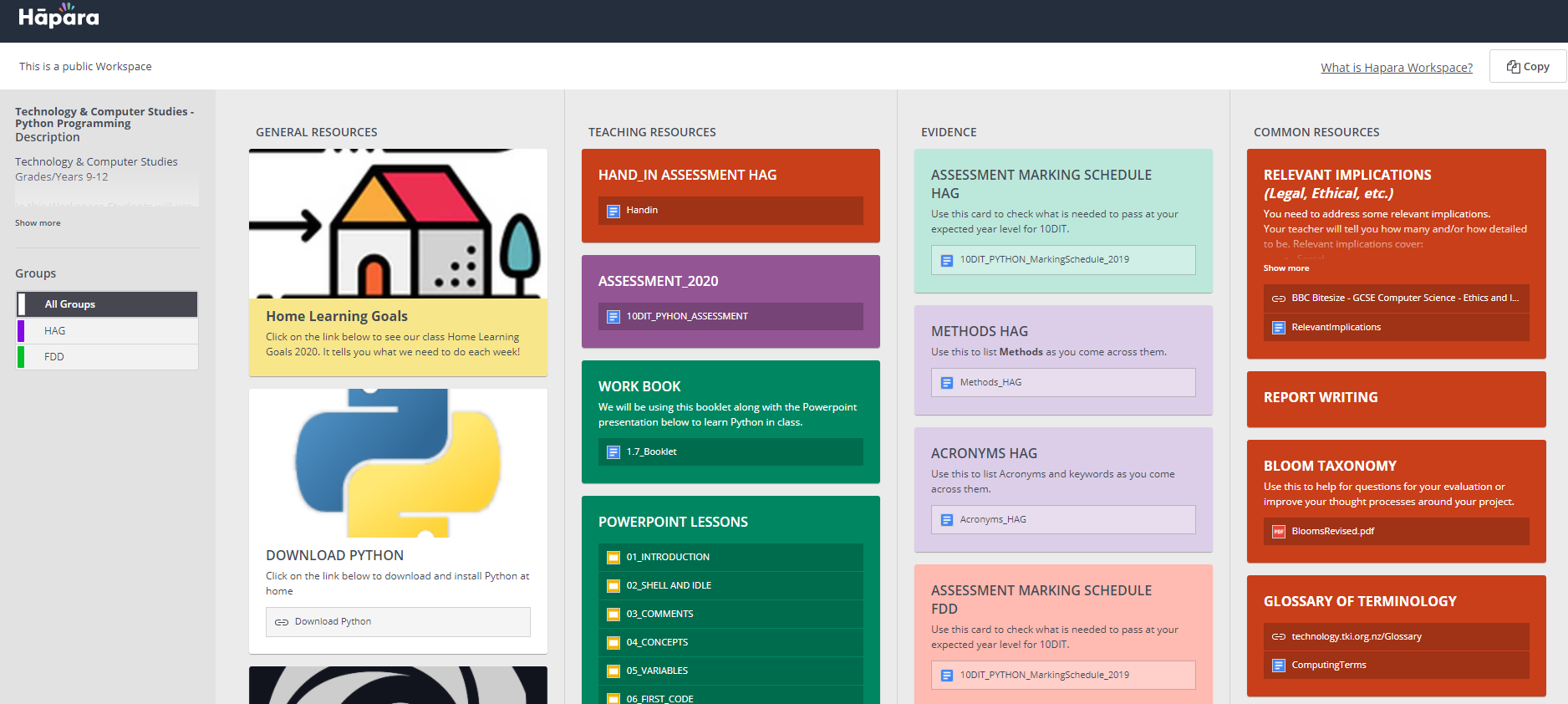
  • Making learning visible for all students on Hapara and the Sites for dept
  • Be a reflective teacher and keep a log of what's going well and what needs improvement next time. A place to write down stories, thoughts and reactions of students. Are the students happy, engaged, intrigued and positive?
  • Students voice at the start, middle and end of the course
  • Make learning fun through competition, relating the tasks to real life. Embed literacy short tasks and look back and praise students. 
  • Identify low ability students earlier on
  • Scaffolding and creating resources for those students

In Teenagers, especially if:

  • Promotes savouring
  • Counters entitlement
  • Inhibits social comparison - stops us from wishing 
  • Regulate your emotions - an option maybe change your environment - can be a good thing for our emotional wellbeing

Emotions and the Brain 


The brain is compartmentalised for our understanding, but in reality, all the parts work in complex, intertwined ways. The largest section of the brain and closest to the surface is the Cerebrum (suh-REE-bruhm) or Cortex. This is often broken down into lobes or sections of the brain: the frontal lobe, parietal lobe, temporal lobes, and occipital lobe. The frontal lobe is at the front of the head and is responsible for planning, organisation, logical thinking, reasoning, and managing emotions. This is the part you will hear about most regarding the expression and regulation of emotions and behaviours. It is also known as the “higher brain”, “rational brain”, or the “upstairs brain”.
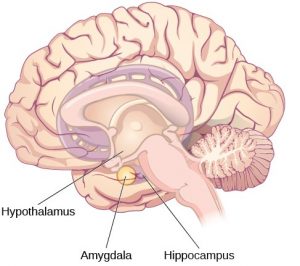
The brain, emotions and behaviours BLOG 1a emotional brainIf we then jump to the brain's centre, we find some strangely named parts that play a big role in emotions. The Amygdala (uh-MIG-duh-luh) is a group of cells that interprets the emotional meaning of everything that happens to you. If the amygdala interprets something as threatening, it sends messages to another structure called the Hypothalamus (HI-pO-thal-a-mus), which controls the release of hormones into the body to get you ready for a fight-or-flight response. The fight-or-flight response happens when our bodies tense up, become more alert, and are ready for action to either escape (flight) or defend ourselves (fight). Finally, another structure called the Hippocampus (hip-uh-KAM-pus) organises memories so the amygdala can interpret an event. These three structures are part of what we call the “emotional brain” or “downstairs brain” and activate strong emotions and urge. This part of the brain can sometimes overreact (think of a child in a tantrum, or even our own reaction when the kids start fighting with each other), so needs a helping hand from the “rational brain” frontal lobes to settle down.

Reward

  • Dopamine is a neurotransmitter and is a motivator - get it when we expect something good to happens
  • Feels good, great, nice, ecstatic, joyful.....dopamine
  • Helpful for: 
    • Brain stimulation - gamers etc 
The things that make us feel good:
  • My students are inquisitive
  • The say sure I got onto this tasks and I am now onto the next one for coding...
  • Students show agency over their learning...wanting to lead, by showing what they want to do and just go and do things without being pushed or told what to do
  • Feeling good after the gym
  • Looking forward to a holiday

Minimise the Negative - Accentuate the Positive

  • If the Ration is 5-1 five posotives ti one negative - long term relationships will flourish 
  • Teacher - student relationships - Do an inquiry of what are my ratio's of P's and N's with students 

Taming the Four horseman

  • Criticism - Negatives judgements
  • Contempt - Eye rolling treating with disrespect, disgust, ridicule
  • Defensiveness - Deflecting, blame or...
  • Stonewalling - Withdrawing, shutting down etc

Active Constructive Responding

No.1 thing in terms of healthy relationships we have a sense of wellbeing - do look after yourself and each other. Have quality time and nurture our human connections. Those micro-interactions also satisfy your need for human relationships. High-quality connections don't have to be a long thing. Small moments a gesture, respectful can top wellbeing can be a really good thing for us. 
  • Action and Constructive
  • Listening
  • Be authentic
  • Empathise
  • That's awesome; tell me a bit more...
  • Ask questions after being positive
  • We sometimes get caught in other thoughts 
  • Amplify the good news 
  • Make good news even better for that person

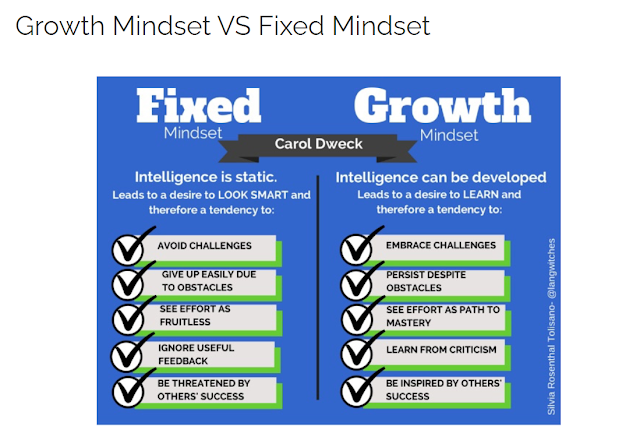
Growth Mindset 

Professor Carol Dweck

Fixed mindset - having a singular opinion and sticking to it
Unwilling to change


Neuroplasticity


  • The routine of clapping and clicking

Resilience

When your skills and resources outweigh the challenge at hand
  • Strength
  • Progress
  • Push forward no matter what
  • Hold the weight and keep going
  • Bouncing back
  • Retaining and keep working extra things and challenges develop

Caution with Grit

  • Grit - Professor Angela Duckworth, UPenn
  • Passion and perseverance for a long term Goal
  • Ability and be mindful for other options - can be misused 
  • Sometimes preserving and working hard is not the best thing to do; we may need to reassess our goals
  • Focus on long term goal
  • Teach delay gratification - this is more likely to be successful but does not factor in the social-economic status of the family or whanau.
  • Work now and feel and celebrate the reward later, acknowledging and validating.

Intrinsic v Extrinsic Motivation

  • Continuum of motivation - not motivated, do it if I have to it = extrinsic motivation rather than Intrinsic the reason for doing this, see the value and benefit helping me and others etc.
  • The 7 why's 
    • Why is it important to do that thing? Keep asking why?
    • Tag onto the task you enjoy - don't like ironing, so put on a podcast etc.


Thursday, September 23, 2021

External Recognition Agenda Day 9

The final week of the DFI course! Day 9

What has worked for me over the last week?

I used the Deep dive into Tech resources useful to encourage and invite my students to choose Digital Technology as an option for next year. The video resources were a great hook as well as the slide that showed which jobs did not exist in the past 10 years. The Google Educator level 1 slide deck was useful in brushing up on the skills in preparation for the exam.

Today - Friday 24th is the day of the Google Certified Teacher Level 1 examination. I have looked over the slides provided by DFI, so watch this space!


This was a 3-hour exam, I have to say I did thoroughly revise and this paid off. I managed to complete the examination in 42 minutes and passed! I am officially a Google Certified Teacher.


External Recognition Opportunities


Here is a links to upskill on other tools:
  1. Google Exam: An opportunity to gain a globally recognised award for teachers.

  2. Review content from the Google Training Centre Modules. 

  3. Apple Teacher Exams Apple Learning Centre

  4. Screencastify Master the Screencast

  5. WeVideo Education Ambassadors

  6. BookCreator Certified Author

Hāpara Champion

Sharing via Social Media and Display names

The below links were added to all my Blogs.


I am going to use this list of DFI term 3 blogs to read and comment on the blogs. 

Once I receive my Google Certified Teacher badge and DFI badge I will upload this onto my blog. Here is how to do this.

DFI Slam | screencastify of the below

Mote add aduido to slides and vocie comments for students

Trusted contacts 

Body Synth

Auto Draw - start drawing stuff and it will automatically finish the dreawiung and it can be downloaded as well

Rapid Doc Creation - If you type docs.new will open a new doc!

Read and Write Google Chrome - Who needs extra support. Free version is limited. Speaks in an Ozy accent!

Google Arts and Culture - Take a portrait and see if there is anyone who looks like you!

Incredibox - backing track for screencastify's etc

Burst shots for Iphones

Korerorero - App for learning Te Reo Maori app in conjuction with Auckland University. Puts sentence structures in real life

Gboard - Te Reo Maori macrons and dictionary

Chrome Music Lab - Songmaker is cool, someone can add and then build onto it

Adding captions to Slides - command+shift+C

Photpea - awesome online photoediting space 

Maths Whitebaord - Clever tool for high schools. Can draw on them and add equations 

Text Blaze - Can create custome snippets (keyboard shortcuts) that work anywhere in Chrome

Immersive reader - use on Ipads and chromebooks as well as Ipads. Can change the font, speech and has a picture dictionary good for someone who struggles with literacy

iPhone 2 Mac - To free your camera roll

Location Sharing on Google maps - share your location for a specific period of time

You can add co-hosts to Google Meet

Built onto all Chromebooks is a QR reader

Turn Art into music using Music Lab

ControlAlt Achieve for students - Google (timers, flip a coin etc)

Google Search:

Put words into speech marks to only search those words together rather than individually

Search tilde 

Google Doodle


Friday, September 17, 2021

Computational Thinking Agenda Day 8


Computational Thinking Agenda Day 8


What has worked for me since the last time we met?


I have been mentoring another trainee teacher and showed her how she could make her class site visible to rangatahi and whanau by embedding her slides (publish to the web) and also insert the Google meet recordings in the slides for rewindable learning so that everything the students possibly need are all in one place. 


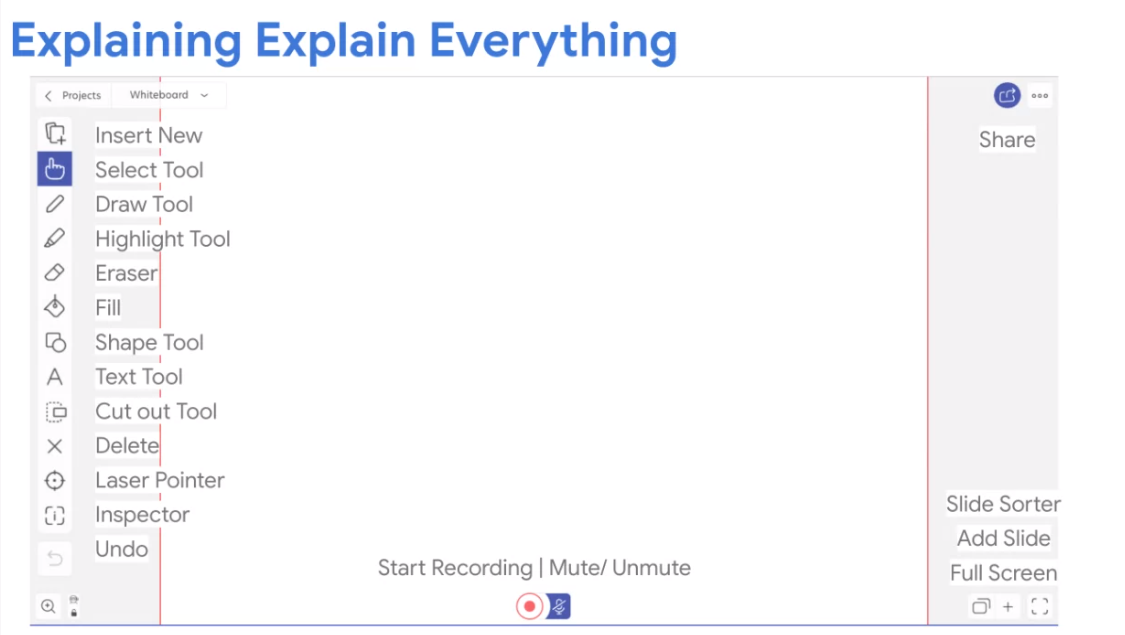
I have not started teaching my students how to create a blog as of yet. I need to explore more of the Blog list sidebar gadget.  A little confused, how can this tool (whiteboard) be used with students? (The only difference from Jamboard is that it has the audio function right?)

Connecting with Manaiakalani - Vicki

Pedagogy and Kaupapa |Empowered

Empowered equally is not a choice, unfortunately this is not present for our whanau. Having agency to make choices. This language ‘agency’ was not a good thing in their mind from previous state based agencies. This word was changed to empowered. It is challenging to feel empowered if you are on a lower income. The lack of money definitely disempowers them. 


Living costs - Working 40-60 hours between two people is still enough to pay for basic needs. It does not mean this means these people are living a great life. 


First state housing is being demolished and replaced. Whanau have been living there for generations, leaky homes. These families have been displaced into different neighbourhoods and difficult to integrate into these communities.  Basic thing of getting rid of waste is really challenging. 


Health - continuity of care and consistent visits to the GP. Challenging due to medical and transport costs. 


Education - Students from low decile school arrive at a really low reading age. They come with stress and challenges of whanau life. Challenging for educators every year. 


Knowledge is power. Access to information and exploring new learning environments. We can facilitate the shared learning environment, support and individual needs by using the technology in a powerful way to support them. 


[This was taken from the speaker notes from this slides on slide 14]

One of the findings from the year of home learning in 2020 was expressed beautifully by Matt Goodwin in his blog. The learners were fully empowered - if I was not providing engaging learning opportunities they could simply not show up for my Meets! How many of us experienced this in the events we ran online? 


http://pesgoodwingold.blogspot.com/2020/05/distance-learning-engagement.html 

Without having the students seated in front of me, how could I entice them to 'come to school'?

> Certainly a percentage of my learners had whanau who engaged with the online learning, and 'assisted the engagement' (in fact this was really cool to see our whanau making these connections to school, and is a great conversation starter for what we could do to keep this going).

> But there was a whole other percentage who managed themselves. They got themselves up in the morning, got out their chromebooks and engaged with the learning and online meets that I provided. [Taken from slides on slide 14]


Deep Dive - Jacob

Intro to the future of tech and what it means for our tamariki

https://www.youtube.com/watch?v=bgKKXa8z-0I 


Sophia - is a humanoid robot made by Hanson Robotics, first activated in 2016, Hanson Robotics have plans to have mass produce robots by the end of the year (2021). “Social robots like me can take care of the sick or elderly,” Sophia says as she conducts a tour of her lab in Hong Kong. “I can help communicate, give therapy and provide social stimulation, even in difficult situations.”


3D printing houses - entire house 3D printed in concrete within a matter of days. Could this solve our housing crisis? One of the printers can print a 200 square meter house in 24 hours. 

Amazon


Robotic Vertical Farming - Working to make feeding animals more efficient. Olympus Tower Farms elimite the weather challenges, give you a predictable 6 day journey from planting to harvest. Wartered to precision and with special LEDs that don't give off heat. They are capable of producing 600 lb of food, the equivalent of what could be grown on 35-50 acres of land using 95% less water. 


Robots at Amazon - fulfilment warehouses the size of 23 football fields with millions of products, Amazon has its own robots to deal with that scale Amazon has built an army of robots. They are adaptable and reactive in order to extend human capability to allow for more efficiencies within the warehouses. They have their own facility where they build new robots every day. 

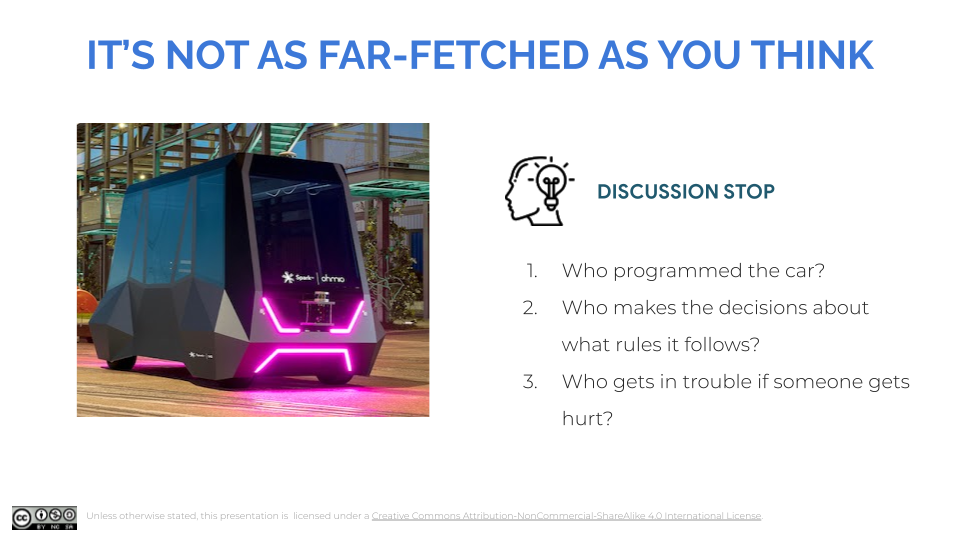
These bring up a lot of questions - in our society.


Moral machine Activity - a platform for gathering a human perspective on moral decisions made by machines


Chalk ‘n Talk - Vicki

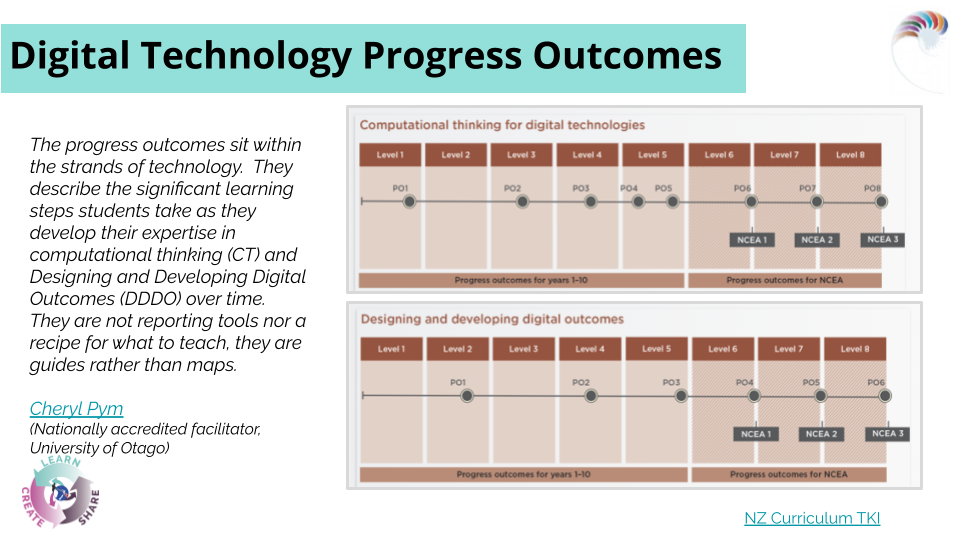
Intro to computational thinking and Hangarau Matihiko

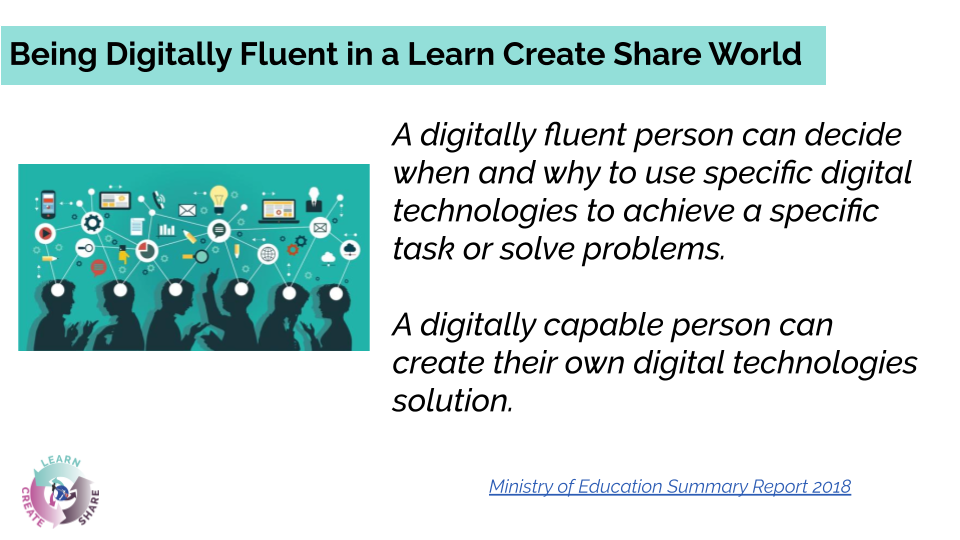
Teaching the students the theory of how computers work and to be creators not just users of systems. 


Innovators and creators of digital students - we need to empower students to do this. 


Coding terminology. Can be used in non-computerised contexts. Step by instructions (Sequencing) is what students do to complete and solve problems that can be applied to any subject, not just digital technology. 

Explore: 

The Digital Technologies Curriculum in our Digital Bubble Groups


Chalk ‘n Talk: Registering for the Google Certification Exams - Vicki

Signing Up for the Google Exam Slide Deck

DFI Deep Dive - Level 1 Revision 


Supporting Resources: 

Level 1 exam - basic tasks

Level 2 exam - basic tasks


Google Workspace skills checklist: the ultimate Google cheat sheet!

Google Classroom Exam Support


Vouchers


https://drive.google.com/file/d/1emN3Im0h4BaFxXQTB3haWREgRWJTp81B/view 


Smart Chips use the @ symbol 

Satchet Singh


Making meaning of content

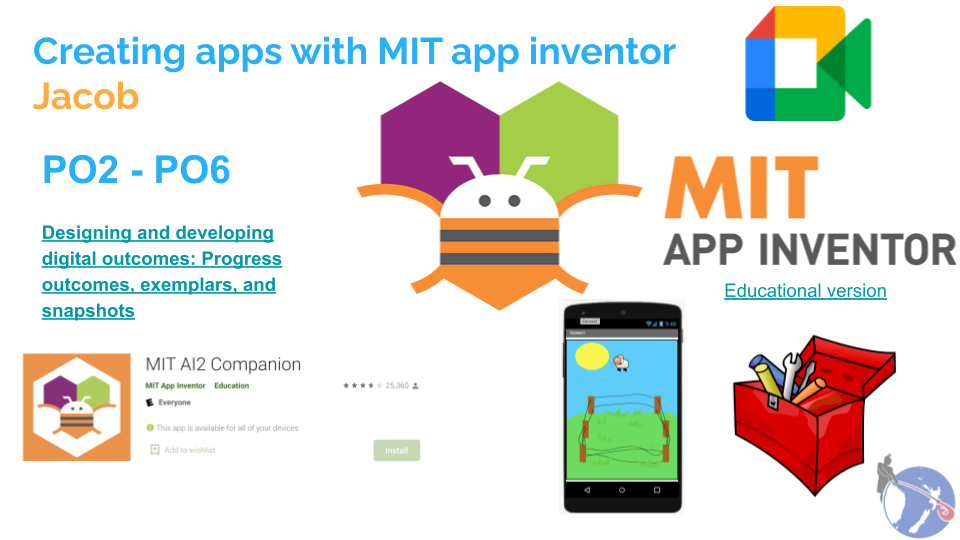
Creating with Code


Tool box lesson ideas 


Next level on from scratch and can download to an android device. 


The educational version does not save the information and is recommended for schools (per MIT’s Privacy policy) MIT AI2 Companion now works on Android and IOS

Apps created only work on Android (for now)

Best used in class with Ipads (unless students are allowed their own phones)

Chromebooks used to create the code Ipads to test


My MIT App work so far…


Thursday, September 9, 2021

DFI Reflection - Day 7 - Devices

Devices Agenda Day 7

Kia ora koutou,

What has worked for me since the last session?


Ensuring my School site has a visual appeal and is simple to navigate. The site has a theme the same as the main school website. The teaching and learning are visible to rangatahi, caregivers and the community. Permissions have been appropriately set for what students are required to access and what others can see. The embedded slides provide students with rewindable learning. This is particularly useful in the current apocalyptic climate of Covid-19 and working remotely online. All other resources are available on Hapara Workspace embedded into the site for each of the year levels I teach. 

I used Jamboard to gather wellbeing feedback for my seniors, sharing ideas of this lockdown experience and an exit card for my juniors.

Connecting with Manaiakalani 

Pedagogy and Kaupapa
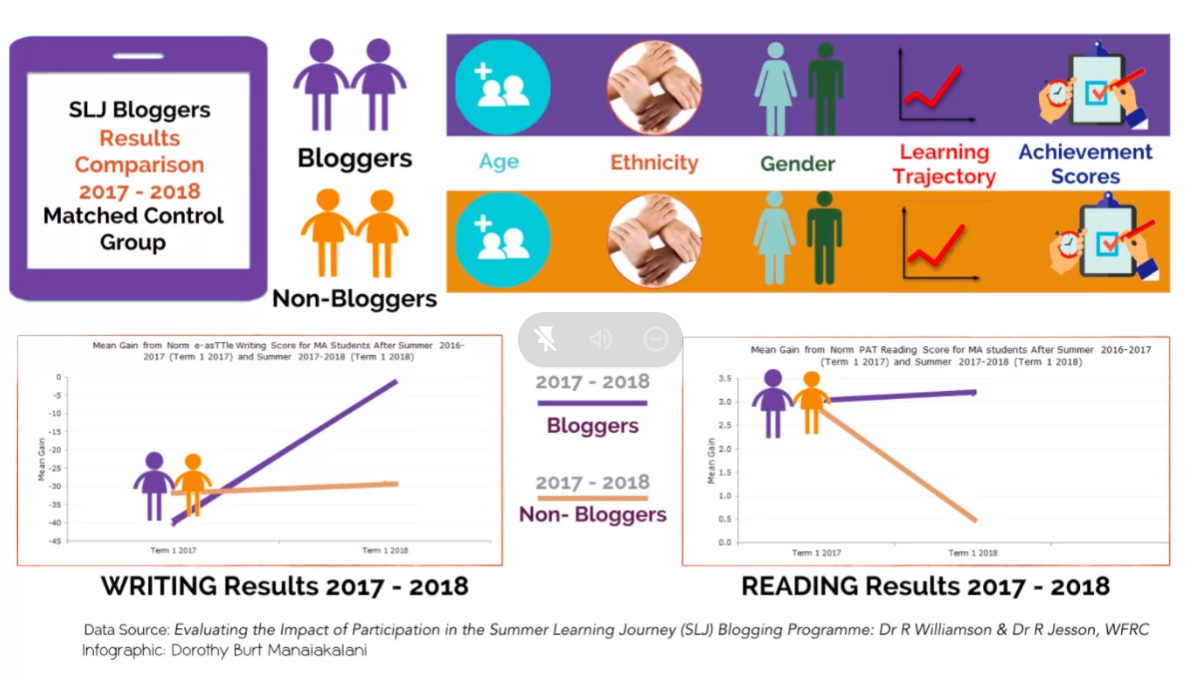
Ubiquitous - Ubiquitous learning to stop the below happening which is the summer drop off. The summer learning journey is a blogging program, run via a blog with activities posted around STEAM, for students to get involved in a 30 minute journey. Once the task was completed with support from trainee teachers, students got points for responding and writing their blogs. This project showed it really made an impact on their achievement. 


 Deep Dive - Fiona Grant

Cybersmart Curriculum


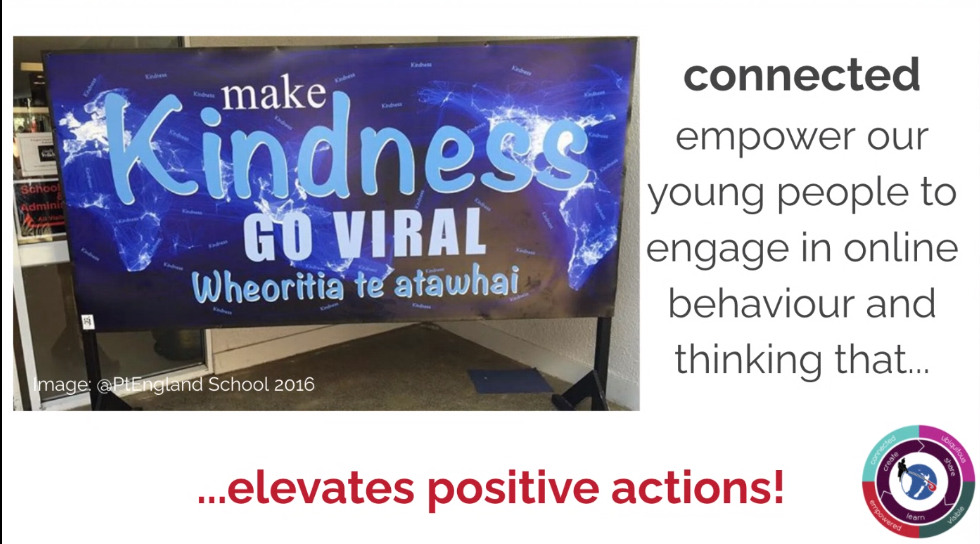
Empowering our learners as connected and confident decision makers


Being positive, helpful and thoughtful with all comments on blogs and peer feedback. 


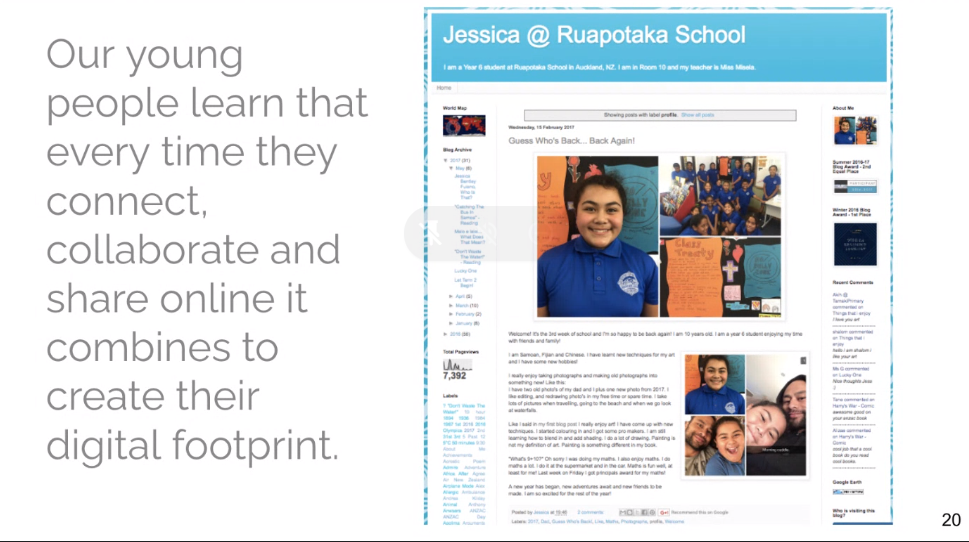
Fiona Grant advocates for blogs for all ages of students to be cybersmart and part of the Learn, Create and Share Malaikalani pedagogy. 


Hāpara Hot Tips #6 Kerry 

Workspaces


  • Have a look through different Hapara workspaces and the NZ curriculum

  • Can COPY this and use it for our students and courses!


Chalk ‘n Talk: Phil

Manaiakalani 1:1 Journey

Part 1: Chromebooks

Recording using screencastify - show the students on their screen and hit screencastify for rewindable learning

Life as a Chromebook user 

Digital Dig  bit.ly/DFIdigitaldig

http://bit.ly/DFIdigitaldig

Digital Dig in Te Reo - Karia Khttp://bit.ly/DFIdigitaldigaringa Matihiko

Make a copy of the Digital Dig presentation and complete the activities in your bubble groups. 


If you don’t have a Chromebook you may need to use the tips on the slides to help you  to complete the Digital Dig. 


Ako Hiko Chromebook first steps - designed for year ¾ learners who aren’t ready for the digital dig just yet.


If you don’t have a Chromebook you may need to use the Chromebook Simulator to complete the Digital Dig. 


Devices should be purchased with Malaikalani recommendations. 2013-2021 use Chromebooks!


Chalk ‘n Talk:  Using learner devices Maria

Part 2: iPads | Manaiakalani iPad PLD Site 


Interactive Whiteboard


Explore:  In Groups

  1. Complete the Intro to EE task using the whiteboard EE (sign in before you get started)

  2. Complete a Teacher Designed EE task using the whiteboard

  3. Explore completed tasks shared on learner’s blogs and leave them a comment


Explore Learning Sites for 1:1 Classes:


Create: Making meaning of content

Time to get creative with Cybersmart and screen recording 

Presentation link 


Create a screen recording talking through your lesson. 

Some things you might want to reflect on during your recording:

  • What are the key messages / learning intentions in this lesson?

  • How have/could you personalise this lesson for your learners? And what would it look like on your learning site?

  • Are there opportunities within one of your current lessons to integrate these cybersmart concepts? 


Create using EE

Create using Screencastify

Create using Hāpara 

Create or repurpose a Cybersmart  lesson using EE covering one of the Cybersmart concepts for your learners. 

Manaiakalani Cybersmart


Select ONE of the Cybersmart  areas and create a movie talking through one of the lesson templates provided.


Create or repurpose a Cybersmart lesson for your learners using Hāpara Workspace. 


Utilise content from the Cybersmart site where needed. 

Cheryl          Slides

Phil 

Maria

1. Susan Vorster

2.

3.

4.

5.

6.

1. Andrew

2.

3.

4.

5.

6.

1.

2.

3.

4.

5.

6.

Jeremy

Makaore

Vicki 


  1. Aimee Wales

3.

4.

5.

6.

1.

2.

3.

4.

5.

6.

1.

2.

3.

4.

5.

6. Atamarama


Jacob

Kerry


1. Tracy Ritchie

2.Jess Hughes

3.

4.

5.

6. Ben Sapwell-West

1. Satchet

2.

3.

4.

5.

6.


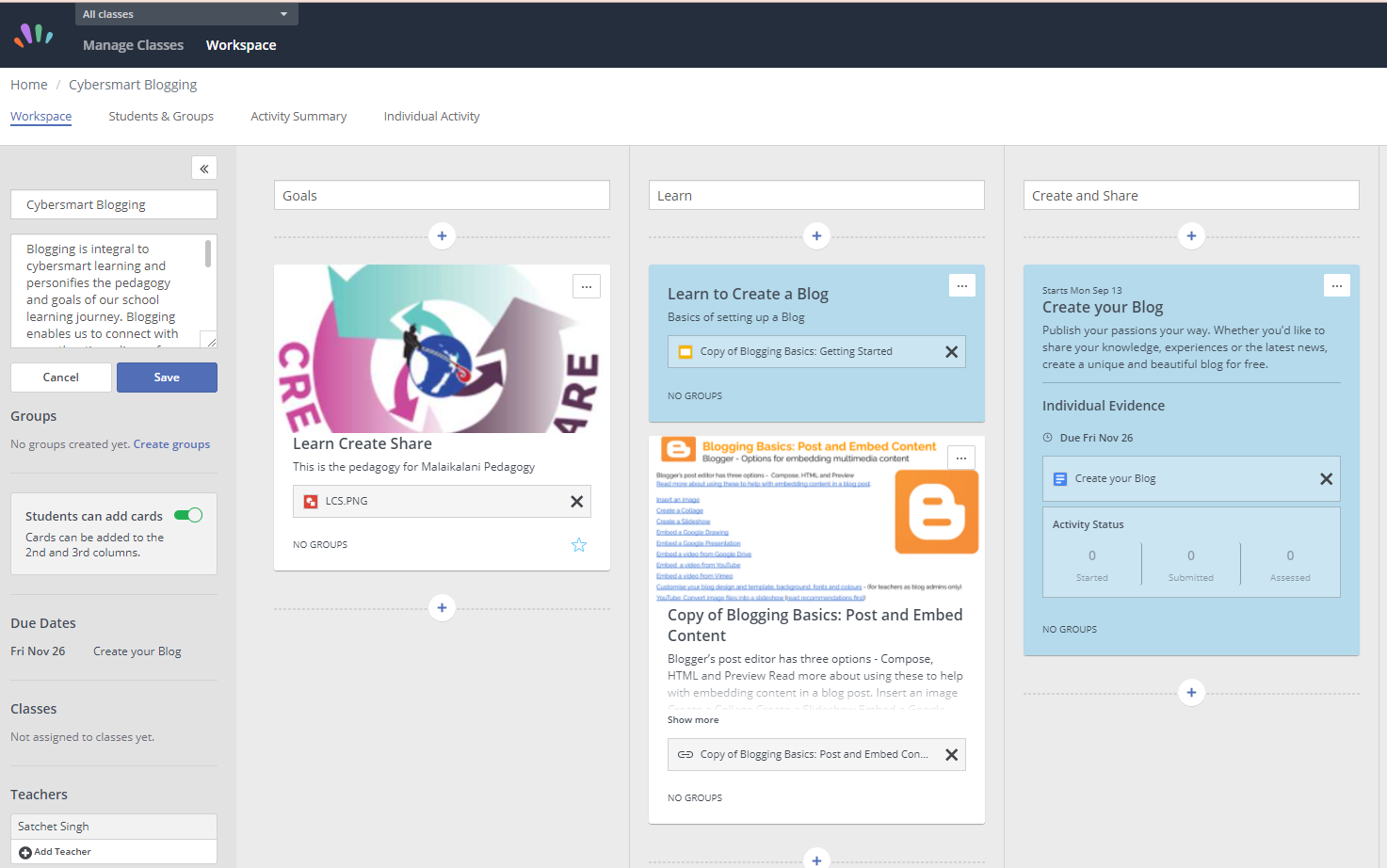
My Hapara Workspace was created for Year 9’s to learn how to create a blog


Share: Embed and Rewind Content

Blogging Tip - Blog List Sidebar Gadgets Makaore